How to Get the Most Out of Your AC During Needham MA Summers — Repair and Maintenance by Green Energy AC Heating & Plumbing Repair
A humid July afternoon in Needham can feel like a slow oven. You want your home to be a precise, comfortable refuge, not a place where you open windows and count the minutes until evening. Getting the most from your air conditioner is part engineering, part routine, and part honest judgement about when to call professionals. Green Energy AC Heating & Plumbing Repair sees every kind of summertime problem, from a neglected condenser choked with leaves to a thermostat that has been correctly programmed but still lies about the room temperature. What follows are practical, tested steps you can take this season, how to spot serious faults early, and the trade-offs to expect when deciding between repair and replacement.
Why this matters
An inefficient or failing AC raises electric bills, shortens equipment life, and makes your living space unpleasant. In Needham, where temperature swings and humidity are both real factors, a small maintenance investment can prevent a mid-July emergency service call and keep your home consistently comfortable. If you want to save on cooling costs and avoid down days during heat waves, you need both good habits and a trusted technician on call.
Start with measurable goals
Before you touch a thermostat or call a technician, set two clear, measurable goals for the season. First, hold your average summer electric spend within a realistic range compared to last year, allowing for any rate increases. A 5 to 15 percent improvement in efficiency is often achievable with proper maintenance, depending on the age of your equipment. Second, aim for no more than one unscheduled service call between Memorial Day and Labor Day. That keeps disruptions low and typically cuts emergency costs, which can be 50 to 100 percent higher than scheduled maintenance visits.
Quick seasonal checklist
Below is a short checklist to run through at the start of summer. It is concise so you actually do it, not just file it and forget.
- change or clean filters, inspect the outdoor unit for debris, and confirm thermostat settings and schedules.
- ensure condenser fins are clear and upright, check condensate drain for clogs, and test cooling performance during a cooler morning.
- note any odd noises, smells, or uneven cooling, and document the current energy usage to compare later.
Simple things that yield the biggest returns
A lot of AC performance is not mysterious: airflow, refrigerant, and control accuracy matter most.
Filters: a clogged filter restricts airflow, makes the compressor run harder, and increases wear. For homes with pets or heavy dust, replace pleated filters every 30 days in peak season. For less demanding homes, 60 to 90 days may be enough. Use MERV ratings sensibly; higher is not always better because very dense filters can strain some systems. I recommend a media filter with MERV 8 to 11 for balanced protection and airflow.
Thermostat and zoning: programmable and smart thermostats reduce runtime without sacrificing comfort when used properly. Setbacks of 3 to 5 degrees while you are away can produce noticeable savings. If you have zoning dampers, verify they operate correctly and that rooms are not being starved of airflow because a zone is stuck closed. A homeowner once told me their master bedroom never cooled; it turned out a zoning actuator had slipped loose and was partially open for years.
Outdoor unit care: keep at least 2 feet of clearance around the condenser, trim plants back, and remove leaves after storms. Turn off power at the disconnect before attempting any physical cleaning. Bent fins can be carefully straightened with a fin comb; do not use a vacuum for fins — it rarely solves deeper coil deposits. A tight cluster of pine needles or an overgrown shrub can reduce efficiency by 10 to 30 percent.
Refrigerant and leak awareness: low refrigerant is never normal unless a technician has recently serviced the system. Low charge reduces cooling capacity and increases operating stress on the compressor. Signs include longer runtime to reach setpoint, frosting on the evaporator coil, and higher home humidity. Refrigerant leaks should be located and repaired; topping up is a temporary fix and rarely the most cost-effective approach.
Watch for performance, not age alone
Age is an indicator but not the sole determinant of serviceability. A 15-year-old compressor that has been maintained can outperform a neglected 8-year-old unit. Conversely, if your system is over 10 years old and faces a compressor failure, you may be better off replacing the outdoor unit or the entire system because newer units with modern SEER ratings can cut cooling costs substantially. If your bills have been incrementally rising and a technician finds multiple failing components, replacement becomes economically sound.
When to call professionals for AC repair in Needham MA
If you see any of the following, pick up the phone and arrange a professional diagnosis rather than attempting DIY fixes that can worsen the issue.
- persistent lack of cold air or very long run cycles
- water pooling or recurring drain clogs
- hissing or bubbling sounds near the refrigerant lines
- burning smells or electrical tripping when the unit starts
- repeated short cycling or compressor failure indicators
These items suggest either refrigerant problems, compressor or electrical faults, significant airflow restrictions, or drain and condensate issues. They are all things that certified technicians at Green Energy AC Heating & Plumbing Repair can assess safely and efficiently.
Common repairs and what they typically cost
Prices vary by the scope of work and the parts required, but some ballpark ranges are useful for planning. A routine maintenance visit with cleaning and a basic diagnostic often runs in the low hundreds. A refrigerant recharge with leak detection can be several hundred dollars if a leak needs repair. Electrical component replacements, like contactors or capacitors, usually fall in the mid-hundreds. A compressor replacement is often the pricier repair and can approach the cost of a new outdoor unit depending on the system size and warranty. Always ask for a clear written estimate and the options: repair, partial replacement, or full system replacement.

Trade-offs: repair versus replace
Repair keeps the cash outlay lower today but may increase risk of additional failures later. Replacement has a larger upfront cost but delivers better efficiency and lower downtime. Consider these factors when deciding.
If repairs are isolated, well-documented, and the rest of the system is in good shape, repairing makes sense. If a technician uncovers multiple failing parts or the condenser and evaporator are mismatched or obsolete, replacement often becomes the smarter long-term investment. Look at your recent repair history: two or three major repairs within five years is a sign to consider a new installation.
Humidity and comfort control
Needham summers can feel oppressive even when your AC is running. If you notice sticky air despite the air conditioner running, the root cause is usually insufficient dehumidification due to continuous fan operation or oversized equipment that cools quickly but does not run long enough to remove moisture. Set the system fan to auto rather than continuous for better dehumidification. If oversizing is the issue, replacement with a properly sized system or adding a dedicated dehumidifier will provide a marked improvement in comfort.
Energy-saving tweaks that matter
Small changes add up more than dramatic one-time interventions. Simple thermostat adjustments of 2 to 3 degrees for a few hours a day, combined with good shading and ceiling fans, can reduce cooling demand significantly. Proper insulation and sealing reduce the load on your AC. Programmable thermostats and well-tuned systems reduce cycling losses. During peak afternoon heat, closing blinds on west-facing windows can lower indoor temperature by several degrees and reduce run time. If you are on a time-of-use electricity plan, shifting heavy electric loads to off-peak hours helps, because your AC is often https://greenenergymech.com/plumbing-electrical-hvac-services-needham-ma/ the largest contributor to peak demand.
What to expect during a professional visit from Green google.com Energy AC Heating & Plumbing Repair
A thorough service visit goes beyond changing the filter. Expect an outdoor inspection of the condenser and electrical components, measurement of refrigerant pressures if appropriate, a review of airflow and temperature split across the evaporator, and a test of safety controls and condensate drainage. The technician should leave a clear explanation of findings, any recommended repairs, and the likely consequences of deferring work. Ask for before-and-after photos when appropriate, especially if ductwork or visible components are involved.
Examples from the field
One customer in Needham told me their house would not reach 74 degrees no matter how long the AC ran. A quick diagnostic showed the outdoor unit was undersized for the home after prior owners had remodeled and added conditioned space. The options were an auxiliary system or replacing the outdoor unit with a correctly sized condenser and updating the ductwork balance. They chose full replacement, and their summer electric bills dropped enough to cover a portion of the installation within two summers.
Another case involved frequent drain pan overflows and mysterious musty odors. The culprit was a clogged condensate pump with biofilm build-up. Cleaning the pump and installing an accessible service loop solved the problem, and the homeowner avoided a costly evaporator coil replacement.
Ductwork, vents, and airflow
Airflow losses through leaky or poorly insulated ducts can reduce system effectiveness by 20 to 40 percent in some houses. Seal visible ducts with mastic, not standard tape, and insulate ducts in unconditioned areas. Close registers in unused rooms cautiously; closing too many vents can increase pressure in the system and damage the blower. Balance is important, and a professional airflow test will pinpoint losses and imbalances.
Maintenance schedule that works
A biannual checkup is wise: one inspection in spring to prepare for the cooling season, and another in fall for the heating system if you use a heat pump or have integrated HVAC. During the spring visit, emphasize refrigerant checks, coil cleaning if needed, and verifying capacitor and electrical condition. Keep receipts and a simple service log so trends are visible: rising run times, increasing cycle frequency, or repeated small repairs hint at larger issues.
Warranty and documentation
If your equipment is still under manufacturer warranty, confirm that any work will not void it. Use licensed technicians who document services properly. Warranties sometimes require annual professional maintenance to remain valid. Keep serial numbers and service records in a folder or digital note so the next technician has context.
Preparing for peak summer days
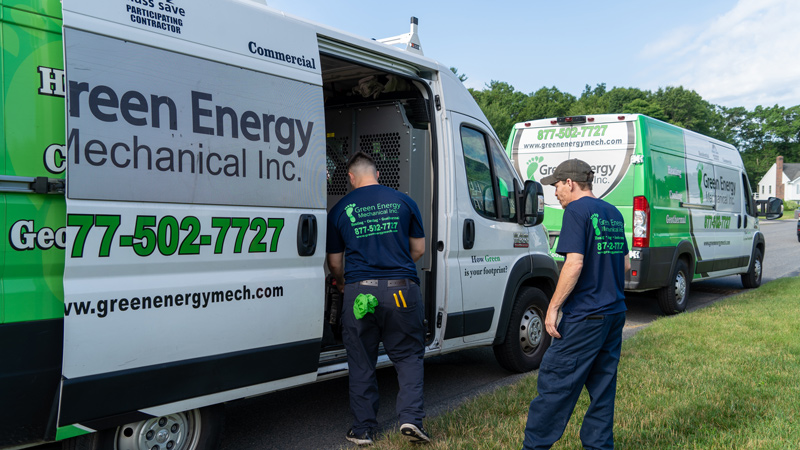
On sweltering days, start with shading and fans. Lowering thermostat setpoint an hour before you need the house cool is less efficient than planning gradual adjustments. Avoid opening doors to cool quickly. Check the breaker panel for tripped breakers if the AC won’t start; do not repeatedly reset a tripped breaker without an inspection because that indicates an electrical problem. If your AC needs repair, schedule service early in the season when technicians have more availability and parts are easier to source.
Why choose local expertise for AC repair in Needham MA
Local technicians understand the climatic quirks, typical housing stock, and common causes of service calls in Needham. Green Energy AC Heating & Plumbing Repair brings that local knowledge and emphasizes long-term efficiency, not quick fixes. Good technicians will show, explain, and document. They will help you weigh the economics of repair versus replacement and will prioritize safety and energy performance.
Final practical points you can act on this week
Check your filter and replace it if it looks dirty. Walk around the outdoor unit and clear any leaves or debris. Make sure the thermostat is set to auto and program sensible setbacks for daytime absences. If the system sounds different from previous summers or you notice uneven cooling, schedule a diagnostic sooner rather than later, because small problems compound.
Keeping your AC running well through Needham summers requires a combination of routine care, informed decisions about repairs, and a relationship with a reliable service provider. With the right simple steps and a technician you trust, you will cut costs, reduce downtime, and enjoy consistent comfort all season long. If you need professional service, Green Energy AC Heating & Plumbing Repair offers diagnostics, maintenance, and repair work tailored to local homes and the realities of New England summers.
Green Energy AC Heating & Plumbing Repair
10 Oak St Unit 5, Needham, MA 02492
+1 (781) 819-3012
[email protected]
Website: https://greenenergymech.com